
Home Adaptations for the Elderly for Safer, Independent Living
For many older adults, staying in their own home is about more than familiarity. It's about dignity, independence and peace of mind. But as mobility changes and support needs increase, the home can start to pose challenges that affect safety, comfort and day-to-day confidence.
That’s where home adaptations come in.
Whether it's installing a walk-in shower, widening doorways for a wheelchair user, or simply adding grab rails around the home, these adaptations can make everyday tasks easier and safer.
For family members and carers, these changes offer reassurance, helping loved ones stay in their own home for longer, while reducing the risk of injury or strain.

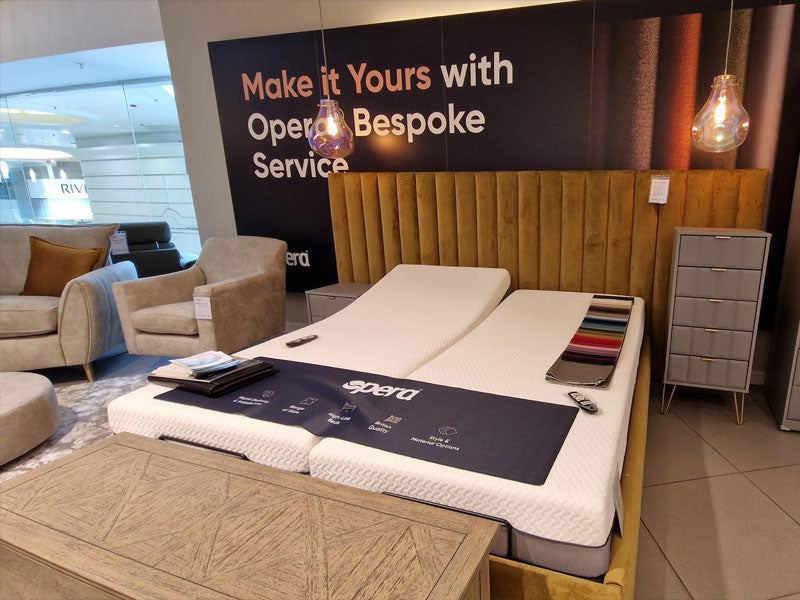
At Opera Beds, we’ve seen how transformative the right equipment can be. Products like adjustable beds and profiling care beds provide tailored comfort and pressure relief, while riser recliner chairs support safe, independent movement between sitting and standing.
When it comes to funding these adaptations, many people don’t realise that help is available. From local authority assessments to government-backed schemes like the Disabled Facilities Grant, there are practical ways to adapt your home and access funding to help make it happen.
In this guide, we’ll explore the most effective home adaptations for elderly people, explain how to access support, and share ideas to help you or your loved one feel confident and secure at home.

What are home adaptations for the elderly?
Home adaptations are changes made to a property to make it safer, more comfortable, and more accessible for someone with reduced mobility, a disability, or changing health needs. For elderly people, these changes can play a crucial role in helping them live independently, carry out everyday tasks more easily, and stay in their own home for longer.
Adaptations can be minor or major, depending on the level of support required:
-
Minor home adaptations are typically quick and affordable changes that don’t involve major building work, like installing handrails or bath boards.
-
Major adaptations tend to involve more significant structural changes, such as widening doorways for wheelchair users, installing a wet room, fitting a stairlift, or lowering kitchen worktops. These types of adaptations often need funding approval, building work, and sometimes planning permission.
Some adaptations focus on fall prevention (like non-slip flooring), while others help reduce strain when moving around the home. Key areas include:
-
Bathrooms – Walk-in showers, bath lifts, or raised toilet seats
-
Entrances – Outdoor ramps, widened front doors, or motion sensor lights
-
Kitchens – Easy-grip handles, accessible storage, or lever taps for easier use
Adaptations aren’t just for those with complex needs; even small changes can make a significant impact on daily comfort and safety.
What's the emotional and practical impact of home adaptations?
Adapting a home is about more than safety. It’s about preserving a sense of control and personal identity. For many older adults, being able to get out of bed unaided, use the toilet safely, or cook their own meals (even with small supports in place) can be deeply empowering.
Home adaptations help to reduce anxiety for the person living in the home and their family or caregivers. Knowing that risks have been minimised and that everyday life is easier can lift a huge emotional burden. In some cases, simple changes like clearer lighting or easier door access can prevent the kind of incidents that lead to hospitalisation or long-term care.
For people living with conditions like arthritis, Parkinson’s, or early-stage dementia, tailored changes can support cognitive and physical abilities, helping routines feel manageable and familiar, even as needs evolve.
Our How to Create an Elderly-Friendly Bedroom: Tips for Comfort and Safety guide explores ways to help elderly relatives feel more at home and independent in their own space.

Minor adaptations that make everyday tasks easier
Small changes can make a big difference when it comes to improving safety and independence at home. Minor home adaptations are typically low-cost, quick to install, and don’t usually require structural work or planning permission.
These adaptations are ideal for supporting daily tasks, such as getting in and out of bed, using the bathroom, or moving around the home with greater confidence. Many fall under the category of costing less than £1,000, a useful threshold for eligibility if you’re applying for funding from your local council.
Some of the most common and effective minor adaptations include:
-
Handrails – Placed beside toilets, baths, or at doorways to provide balance and support
-
Non-slip flooring or mats – Reduces the risk of falls in bathrooms, kitchens and hallways
-
Raised toilet seats and bath boards – Make bathing and toileting safer and more comfortable
-
Motion-sensor lighting – Automatically illuminates hallways and bathrooms at night, reducing disorientation and accidents
-
Lever-style taps and easy-turn door handles – Easier to use for those with arthritis or reduced grip strength
-
Lowered light switches or additional sockets – Reduce bending and stretching for those with mobility issues
-
Door threshold ramps – Small indoor ramps to make walking from room to room easier for walking stick or wheelchair users
These changes not only improve safety but can also boost self-esteem, allowing older people to stay active in their routines and manage day-to-day life with less intervention.
Major adaptations for improved safety and independence
While minor adaptations can provide immediate benefits, some older adults require more significant changes to their home in order to live safely and comfortably. These are known as major adaptations, and often involve building work, changes to structure or layout, or installing specialist equipment.
Major adaptations are typically recommended following a care needs assessment by a social worker or occupational therapist, and are designed to reduce the need for hospital or residential care by enabling people to stay at home safely.
Common examples include:
-
Walk-in showers or wet rooms – Replacing a standard bath with a level-access shower improves bathroom safety and independence
-
Widening doorways – Essential for wheelchair users or those using walking aids
-
Installing ramps or step lifts: Improves access to and from the property, especially at the front door
-
Stairlifts or through-floor lifts – Make multi-level homes safer for those with limited mobility
-
Lowered kitchen worktops and appliances – Allows safer meal preparation and supports independent cooking
-
Bathroom modifications – Installing a bath lift, anti-slip flooring, or wall-mounted supports
-
Widening door frames – Helps carers or live-in support workers assist with mobility without obstruction
In the bedroom, installing an adjustable bed can make a significant difference. These beds allow the user to change position at the touch of a button, reducing strain on joints and making it easier to get in and out of bed.
For carers, this also makes personal care tasks less physically demanding, helping to prevent back injuries or the need for multiple people during transfers.
Major adaptations may require planning permission, especially if they affect the exterior of the property, or if you live in a housing association property or are a private landlord’s tenant. However, most councils and home improvement agencies will help manage the application process and coordinate approved contractors.
Though these adaptations are more costly, financial support is often available through schemes like the Disabled Facilities Grant.

How to get a home assessment and apply for help
Before making any major changes to a home, it’s important to understand what’s needed and what support is available. A care needs assessment is the first step in identifying suitable home adaptations and getting help with the cost.
Step 1: Request a care needs assessment
Start by contacting your local council’s adult social care team. Anyone can request a care needs assessment, whether you’re the person needing support, a family member, or a carer.
During the assessment, a trained occupational therapist or social care professional will visit the home and look at:
-
How the person manages everyday tasks, such as bathing, cooking, or moving around
-
Current mobility issues and risks (e.g. falls, difficulty using stairs)
-
Which home adaptations, aids or equipment could help improve safety and independence
In England and Wales, the council must carry out the assessment if requested, and it’s free of charge.
Step 2: Get a recommendation and care plan
If adaptations are recommended, the assessor will help prioritise which changes are needed most urgently. These might include both minor adaptations (like grab rails) and major adaptations (like installing a stairlift or wet room).
The assessment will also highlight whether specialist items, such as adjustable beds, riser recliner chairs or bathroom aids, could support better independence or reduce the need for hands-on care.
Step 3: Explore support from a home improvement agency
Some councils partner with home improvement agencies (HIAs), independent organisations that can:
-
Help you plan the changes.
-
Source trustworthy contractors.
-
Assist with grant applications or financial support.
-
Oversee building work from start to finish.
These services can be especially helpful if you’re arranging adaptations for an elderly relative
and don’t live nearby.
Financial support: What help is available?
One of the biggest concerns families face when planning home adaptations is cost. While minor adaptations (like grab rails or motion-sensor lights) are often affordable, major adaptations can quickly become expensive, particularly if they involve structural changes or specialist equipment.
Thankfully, there are several sources of financial support available, particularly for people with disabilities, long-term health conditions, or limited mobility.
The Disabled Facilities Grant (DFG)
In England and Wales, the main source of funding for major adaptations is the Disabled Facilities Grant, often referred to as the DFG. This is a means-tested grant provided by your local authority to help cover the cost of adapting your home.
To be eligible, you must:
-
Live in England or Wales.
-
Be a disabled person or be living with someone who is.
-
Intend to stay in the property for at least five years.
-
Have been assessed as needing the adaptations by an occupational therapist.
-
Meet certain household income and savings criteria (although children’s adaptations are not means-tested).
You can apply whether you own your home, rent privately, or live in a housing association property. If you’re a private landlord applying on behalf of a disabled tenant, you can also be eligible.
Grants can cover a wide range of adaptations, including:
-
Installing ramps or step lifts
-
Widening doors
-
Modifying bathrooms
-
Installing a stairlift
-
Adjustments to heating or lighting systems
-
Some kitchen equipment or bathroom modifications
-
Even specialist disability equipment, such as adjustable beds or profiling care beds, in certain cases
The maximum grant amount is £30,000 in England and £36,000 in Wales. In some areas, local councils may offer additional discretionary funding for larger projects or if the DFG doesn’t cover the full cost.
Other sources of financial help
-
Home improvement agencies may offer small grants or loans for minor adaptations.
-
Charities and trusts, like Age UK and Turn2Us can help you find funding based on your situation.
-
Some councils offer extra support beyond the DFG, particularly for urgent repairs – find your local council here.
-
Many items, such as adjustable beds, electric bed accessories, and mobility aids, are eligible for VAT relief if they’re purchased for personal medical use.
If you’re unsure where to begin, a care needs assessment is the best first step. This will help determine what adaptations are needed and whether you’re eligible for funding, helping you plan safely and with confidence.

Planning and preparing for adaptations
Once you’ve had your care needs assessment and explored available financial support, the next step is to plan the adaptations with your loved one’s needs, lifestyle and preferences in mind.
Prioritise safety and practicality
Start by identifying the most urgent or high-risk areas of the home, typically the bathroom, kitchen, bedroom, and front door access. If your relative is at risk of falling, focus on improvements that will reduce that risk, such as grab rails, non-slip flooring, and outdoor ramps.
Remember that safety shouldn’t come at the expense of comfort. Look for products that are functional and familiar. A clinical-looking space can be unsettling, especially for older adults with dementia or memory difficulties.
Choose the right professionals
When it comes to more complex or major adaptations, you’ll need to work with qualified contractors – ideally those recommended by your local council or home improvement agency. These professionals will ensure all work meets legal and accessibility standards.
If you’re funding the work yourself, get several quotes and make sure all costs are clearly outlined in writing, including materials, labour and any potential extras like building regulation sign-off.
Consider the whole home
While the bathroom and bedroom are often the focus of adaptations, it’s important to look at the home as a whole. Could wider doorways, rearranged furniture, or motion-sensor lighting make everyday movement easier? Is there enough space for a wheelchair or walking frame to manoeuvre? Is heating consistent and reliable throughout?
Even smaller changes, such as adjusting curtain height, adding lever-style handles, or upgrading to smart lighting, can significantly improve confidence and usability.
Adjustable beds designed to fit your home and your future
Creating a safer, more accessible home doesn’t have to mean compromising on comfort or style. Opera Beds' adjustable beds and profiling care beds support independent living, reduce the risk of injury, and integrate beautifully into the home, making them the ideal choice when planning home adaptations for the elderly.
Whether you're responding to a recent care needs assessment or taking proactive steps to future-proof a loved one’s environment, our beds are thoughtfully designed to support ease of movement, better sleep, and everyday dignity.
With a wide range of upholstery fabrics, stylish headboard designs, and subtle mobility features, you can customise your bed to match your existing decor. From classic bedrooms to modern spaces, our collection is designed to feel personal and familiar, not clinical or institutional.
If you’re adapting a home for an elderly parent or family member, start with a foundation that supports both comfort and confidence.
Explore our full range of adjustable beds or speak with our expert team for personalised advice tailored to your needs. We're here to help you create a home that’s safe, smart, and ready for the future.
Last Updated: 14th January 2026