
When supporting an elderly loved one, you want the best for them. And for many older adults, that means something simple yet deeply important: independence.
If you support (or will soon be supporting) an older relative, it's natural to want the best for them; to protect their mental and physical health and keep them comfortable.
While this is completely normal, it can be easy to prioritise these things over something else important: their independence.
Independence in later life isn’t about doing everything alone. It’s about having the freedom to make choices, stay active in daily life, and live with dignity, confidence, and control. It’s about continuing to live life on your own terms, even when care or support is needed.
Here, we explore gentle and practical ways to help an elderly loved one maintain their independence. We also outline how furniture, like electric beds and riser recliner chairs, can make life easier.
Why independence matters to elderly people
For many older people, independence means more than just looking after themselves. It’s about feeling in control of their own life – having the freedom to make decisions, maintain routines, and manage their daily lives.
This sense of autonomy can make a powerful difference to how someone sees themselves. It’s not about refusing help, it’s about knowing that support is there to help, not take over.
Independence supports self-confidence, dignity, and quality of life
Being independent is closely linked to self-confidence and emotional well-being. In fact, 64.4% of 60-99 year-olds said their mental health significantly impacts their level of independence.
When your loved one feels they can do things for themselves, even if it's just small tasks, it can boost their self-esteem and create a strong sense of purpose.
Many older adults say that being able to contribute, stay involved in daily life, and maintain control over their routine helps them feel more “like themselves”. That confidence often leads to a better quality of life overall, even in the presence of health challenges.
The link between independence and physical and mental health
Staying independent isn’t just good emotionally; it can support physical health, too. Research shows that walking fewer than 1,413 steps per day can lead to a rapid loss of muscle and make it harder for the body to manage insulin.
This means that everyday tasks that keep an elderly relative gently active, such as walking to the shops or postbox, can help maintain strength, balance, and coordination.
Mentally, independence encourages engagement, whether that’s making decisions, choosing clothes for the day, or enjoying hobbies. All of these contribute to better mental health, reducing feelings of frustration or helplessness.
How to promote independent living in elderly family members
One of the simplest and most powerful ways to support independence is by offering choice. That might mean asking what they’d like to wear, what meals they’d prefer, or when they want to do certain activities.
Even small decisions can help your loved one feel more in control. Where possible, avoid stepping in or making assumptions. Instead, involve them in the decision-making process and listen to what matters most to them.
Supporting everyday tasks and daily routines
Daily living activities, such as preparing food or writing a shopping list, are important markers of independence.
While doing these things for your loved one might be quicker or easier, focus on doing tasks with them, not just for them.
Providing the right level of support without taking over helps preserve their skills and confidence. These little adjustments make everyday routines feel achievable and personal.
Helping them feel in control of decision-making
As people age, it’s easy for others to start making decisions on their behalf, especially around care, health or living arrangements. But when your loved one feels they’re being heard and respected, it goes a long way.
Involve them in conversations about their care, home environment, or health choices. This sense of control is essential to promoting long-term independence and trust.
Building small steps into daily living activities
Independence isn’t all-or-nothing. If your loved one needs support with certain things, that’s perfectly okay – what matters is building in small moments of independence wherever possible.
Think about the daily routine and identify moments where they can:
-
Walk a few steps unaided (with supervision)
-
Choose their own meals
-
Water a plant or fold laundry
-
Answer the phone themselves
These small steps, when repeated, can make a huge difference to both confidence and capability over time.
How to help elderly people maintain independence at home
A safe, well-organised home is the foundation of independent living. If your loved one feels secure and confident in their environment, they’re more likely to continue doing things for themselves.
Start by making small adjustments:
-
Remove trip hazards like rugs or trailing wires
-
Improve lighting, especially in hallways and bathrooms
-
Install handrails or grab bars where needed
-
Consider easy-to-use appliances and kettles with safety features
These changes don’t take away independence; they support it, helping your loved one move around more freely and comfortably.
Supporting them to prepare their own meals where possible
Preparing meals is a daily task that can offer a strong sense of independence, even if it’s just buttering toast or heating up a ready-made dish.
You can help by:
-
Prepping ingredients in advance
-
Making sure essential items are within easy reach
-
Labelling foods clearly
-
Using non-slip mats and easy-grip utensils
Some people may prefer to cook together, which brings both a practical benefit and a lovely opportunity to connect.
Encouraging gentle movement to support physical health
Maintaining physical activity plays a big part in supporting independence and helps to keep muscles, joints, and balance in good working order.
Encourage your loved one to:
-
Walk short distances around the home
-
Do seated stretches or chair-based exercises
-
Help with light chores, like folding laundry or dusting
The aim isn’t strenuous activity; it’s keeping the body gently engaged in a manageable and rewarding way.
Boosting mental health with hobbies and social activities
Doing things they enjoy, like knitting, puzzles, listening to music or seeing friends, is just as important for your loved one’s independence as physical tasks.
Social activities, even occasional ones, help older adults feel connected and involved. If they struggle to leave the house, you might:
-
Set up regular video calls with family
-
Help them join a local befriending service
-
Bring a book club or craft group to them
Emotional well-being and confidence grow when someone feels like they still have a place in the world around them.
Exploring care options that support independence
If extra support is needed, it doesn’t have to mean giving up independence. Services like home care or live-in care are designed to work alongside your loved one’s routine, not replace it.
A good care provider will focus on:
-
Encouraging your loved one to do what they can
-
Maintaining familiar routines
-
Offering reassurance without taking control
This approach supports both long-term safety and day-to-day confidence, helping your loved one stay independent for as long as possible in the place they call home.
How can you help older adults live independently?
If you're caring for an older relative, it can be easy to overstep the mark when it comes to helping out. After all, you're just trying to keep them safe and healthy. However, it's a delicate balance that involves offering support without taking over.
You also have to factor in the person's pride – some people would prefer to try something themselves instead of asking for help right away.
It's the small things that make the difference, too, like:
-
Waiting patiently while they complete a task on their own
-
Offering help only when asked
-
Encouraging them to try, even if it takes a little longer
-
Listening to what they want, not assuming what they need
These kinds of support show you respect their abilities and encourage your relative to do things independently.
Helping an elderly loved one stay independent, even with complex care needs
Even if your loved one has long-term or complex health needs, it’s still possible to support their independence. This might mean finding ways to adapt daily tasks, using mobility aids, or working with care professionals who follow an enabling approach.
Encourage their involvement in care decisions wherever possible. Whether it’s choosing what time they get up, deciding how care is delivered, or selecting their own clothes, every choice reinforces their autonomy.
And if you’re navigating care alongside siblings or other family members, make sure everyone understands the importance of preserving your loved one’s independence. Being on the same page helps avoid confusion and ensures a consistent, respectful approach.
Finding reassurance in knowing they can do things independently, where possible
It’s natural to worry, especially if your loved one has experienced a fall, illness, or memory loss. But holding onto what they can do, and encouraging that gently, helps build their self-confidence and keeps their skills sharper for longer.
Seeing your loved one complete a task independently, even a small one, does more than just save you time. It’s a reassuring sign of strength for them and you.
Supporting long-term independence and quality of life
For many older adults, the goal is simple: to stay in the comfort of their own home, surrounded by familiar things, for as long as they can.
With the right support, this is absolutely possible and can have a profound impact on well-being, dignity, and overall quality of life.
Maintaining independence doesn’t mean ignoring care needs; it means choosing tools, routines, and support systems that enable rather than limit.
Promoting independence alongside social care or home care
Care doesn’t have to mean dependency. The most effective care focuses on helping your loved one continue to do as much as they can, in ways that feel safe and manageable.
This might involve adapting how certain activities are done or offering gentle assistance with daily tasks. It’s about working with your loved one’s abilities, not just their needs.
Equipment that supports independent living
Practical tools can also help maintain independence over the long term. These aren't about taking over; they’re about giving your loved one more control, comfort, and confidence in their day-to-day life.
Two excellent examples are:
Profiling care beds
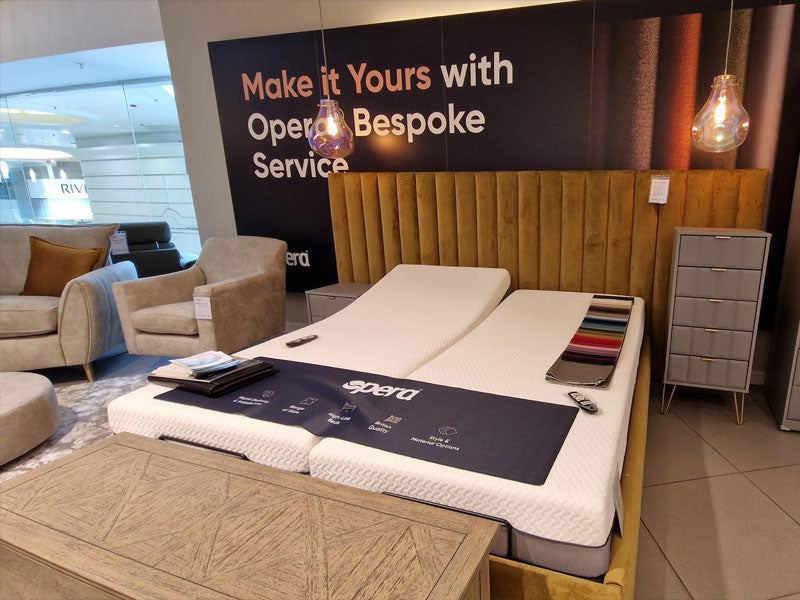
Profiling care beds allow your loved one to adjust the bed’s height and positioning at the touch of a button. For instance, you can raise the backrest to sit up comfortably or lower the whole bed for easy entry and exit.
They can support:
-
Independent movement in and out of bed
-
Better posture and pressure relief
-
Reduced reliance on others for repositioning
This kind of control helps preserve dignity and comfort, especially for those with limited mobility or long-term health conditions.
Our profiling care beds are developed and manufactured in the UK and perfectly balance form and function. They ensure users can access all of the clinical features they require in a bed designed to fit in at home rather than a clinical setting.
Riser recliner chairs
These chairs gently recline or raise to assist users from sitting to standing. It’s a small movement with a big impact – supporting independence while also protecting joints and reducing the risk of falls.
Riser recliners are particularly helpful for:
-
Encouraging safe, independent transfers
-
Reducing the need for carer assistance
-
Making relaxation more comfortable and supportive
By integrating mobility furniture like this into everyday life, you’re not just adding convenience, you’re empowering your loved one to stay active and involved in their routine.
Riser recliner chairs from Opera Beds are available in a range of sizes, from petite to large riser recliners. We also offer a wide range of fabrics and features, so you can tailor the chair to suit you or a loved one.
For more information about our range of electric blankets, adjustable beds, mobility mattresses, hospital bed mattresses, bedding and care bed accessories, contact our friendly team.
Or, for guidance and tips, explore the Opera Beds blog. Here, you'll find information on how to choose the best chair for back pain, advice for when ageing parents expect too much and how to choose the best hospital bed for a loved one's recovery.