
What is a Dementia Village? A Guide to Innovative Elderly Care
Caring for someone with dementia requires compassion, understanding and an environment that supports both safety and dignity. That’s where the concept of a dementia village comes in. It’s a groundbreaking care model that offers people living with dementia a more independent, fulfilling way of life.
Originally developed in the Netherlands, dementia villages are transforming the way we approach care. They’re not clinical, institutional facilities, but real communities where residents live in familiar, homely surroundings that reflect their personal preferences and routines.
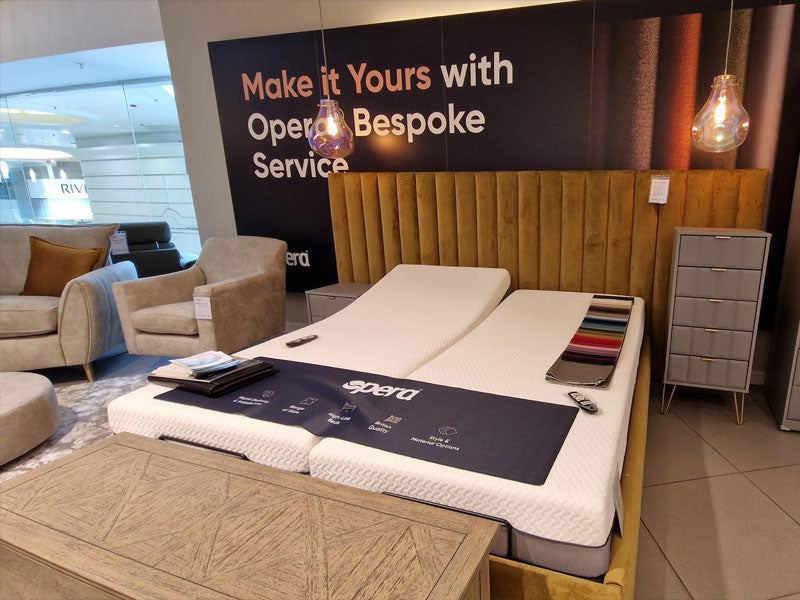
As well as creating comfortable, welcoming environments, dementia villages cater to residents’ needs with riser recliner chairs, electric adjustable beds and profiling care beds – designed to improve mobility and reduce the risk of falls and injuries.
This Opera Beds guide explores what a dementia village is, how the model began with the Hogeweyk dementia village in the Netherlands, and why it’s inspiring a global movement in dementia care.

What is a dementia village?
A dementia village is a specially designed care facility built to look, feel and function like a small town or neighbourhood. These villages are made up of individual houses, shops, cafés, theatres and gardens, allowing people with dementia to live in pleasant residential areas that resemble the world they remember.
Instead of living in a traditional nursing home setting, residents can move around freely and safely, supported by discreet care staff trained to blend into the village environment. For example, a caregiver may take on the role of a shop assistant, neighbour or barista, encouraging active participation in daily life while ensuring each person receives the required care.
This innovative approach creates a setting that feels familiar and non-restrictive, helping to reduce confusion, anxiety and agitation, particularly in those with severe dementia.
Dementia villages are rooted in the belief that people living with dementia deserve more than supervision – they deserve the chance to live well, access normal life experiences and interactions that reflect who they are.
Rather than forcing residents to adapt to the limitations of a facility, the environment is created around them. The villages are tailored to their abilities, routines, and similar lifestyles to those they’ve lived before. In short, dementia villages aim to preserve quality of life, not just provide care.

The idea is to design a world that maintains as much a resemblance to normal life as possible, without endangering the patients.
Creators of Hogeweyk
Why dementia villages are changing the future of elderly care
The traditional model of nursing home care often prioritises medical needs and safety, but in doing so, it can unintentionally strip away freedom, routine, and identity. Dementia villages challenge that model by placing quality of life at the centre of care.
Instead of simply managing symptoms, this concept supports people living with dementia in continuing to enjoy the things that make life meaningful, such as shopping, walking through the garden, chatting with neighbours, or sharing a meal with friends and family.
This shift is about more than just comfort; it’s about dignity. In dementia villages, care is delivered through custom living environments that reflect the personal preferences and lifestyles of the residents.
People are encouraged to make everyday choices, such as what to eat, what to wear, or when to visit shops or restaurants. These small freedoms have a big impact on self-esteem and emotional well-being.
Caregivers in these villages are not positioned as authority figures. Instead, they support gently in the background, stepping in when needed but never controlling day-to-day life. This fosters trust, encourages active participation, and helps people feel at home, not in a facility.
For elderly people and seniors who may feel confused or disoriented in conventional care homes, dementia villages offer a more grounded, human experience – one that acknowledges their unique needs and lived experience.
This approach is already influencing new care strategies around the world. As more families and caregivers seek alternatives to institutional care, the dementia village model continues to gain popularity, inspiring projects far beyond the Netherlands.

Hogeweyk: The first dementia village in the Netherlands
The world’s first dementia village was built in Hogeweyk, the Netherlands. Developed by the Vivium Care Group, Hogeweyk opened in 2009 and set a new standard for what dementia care could look like when built around dignity, purpose, and community.
Spread across four acres, the village is home to around 150 residents, all of whom are living with moderate to severe dementia. Hogeweyk isn't a care institution; it feels like a real neighbourhood, complete with houses, a theatre, shops, cafés, a restaurant, a post office, and green spaces.
Each resident lives in a shared house alongside others with similar lifestyles and backgrounds. The homes are designed to reflect familiar domestic settings, with furnishings, routines and décor tailored to match the era or lifestyle the residents are most comfortable with. These may include homes styled around middle-class life, artisan backgrounds, or urban apartment living, helping people feel safe, settled and understood.
Rather than dressing in uniforms, staff take on everyday roles, acting as neighbours, shopkeepers, or companions. Behind the scenes, they continue to deliver medical and emotional support, ensuring residents receive the required care they need in a respectful and natural way.
This model, now known internationally as the Hogeweyk care concept, has captured attention around the globe. It has become the subject of documentaries, case studies, and keynote speeches, inspiring other countries to rethink how they support people living with dementia.
The success of Hogeweyk has shown that with the right environment, people don’t need to lose their identity, purpose or independence when diagnosed with dementia. Instead, they can live in a place that feels familiar, supportive and real.

Are there dementia villages in the UK and elsewhere?
The success of Hogeweyk dementia village has influenced similar projects in Italy, Switzerland, and even the United States.
These communities are tailored to local culture and preferences, but all follow the same principle: providing a familiar, supportive environment where people can continue to live life on their own terms.
In the UK, dementia villages are emerging as a progressive alternative to traditional nursing homes. In Kent, a purpose-built dementia village is part of a larger care development designed to support older adults in maintaining their independence.
Another example is the Woolside Care Village in Warwick, where the local authority has created a village-style care facility with shops, cafés and gardens. All of these amenities are accessible to residents within a safe, enclosed setting, and all are designed to look and feel familiar, as the home's communications manager, Jo Cheshire, told The Guardian in 2022:
"We try to make sure people aren’t severing their links with the past. We have one lady who works in the launderette with a badge, because that’s what she did before. It feels like they are contributing to the community.”
In Willaston, Cheshire, the Richmond Village opened in 2021. Part of Bupa, the residential setting has been inspired by the Dutch model and taken this one step further, with innovative auditory systems that ‘acoustically monitor’ residents’ rooms while they sleep – altering staff if sounds exceed or drop below expected levels.
This ensures residents can retain their independence and enjoy an uninterrupted night’s sleep.
Video Documentary (23:47) - CNN's World's Untold Stories: Dementia Village
Dr Tim Mercer, NHS GP Partner and trusted voice in holistic health care, underlines the importance of sleep and choosing a suitable bed when it comes to managing dementia, explaining:
“A good night’s sleep can help people focus, improve coordination and feel more energetic; however, people with dementia can struggle to get a good night’s sleep. This is because dementia can cause physical changes in the brain, affecting the amount and quality of sleep.
“People with dementia may wake up several times during the night, making it important that measures are put in place to minimise disruptions.
“One way to achieve this is with dementia-friendly profiling beds. These can help people with dementia get a better sleep by adjusting the back and legs to optimise comfort. Meanwhile, side rails and the ability to lower to the floor can reduce the risk and the impact of falls, another concern that dementia increases.”
Could dementia villages be the future of care?
Compared to traditional nursing home settings, dementia villages are a shift in perspective. By treating people with dementia as individuals with stories, preferences and abilities, these communities offer something rare in traditional care settings: a sense of normal life.
Instead of being defined by a diagnosis, residents are encouraged to live with dignity, supported by a tailored environment that meets their unique needs. They can shop, cook, spend time outdoors, and connect with others, all while receiving the right level of support in the background.
This innovative approach offers huge benefits for both patients and caregivers. It helps reduce stress and anxiety, encourages mobility and active participation, and protects emotional well-being. It also supports carers by creating a more positive and respectful care dynamic, with less reliance on medication or clinical interventions.
For families, dementia villages can offer peace of mind, knowing their loved ones are safe, supported, and still living full and meaningful lives.
As the number of people living with dementia continues to grow, the demand for more compassionate, flexible care is only increasing. While these communities aren’t yet the norm, they’re setting a new benchmark for what great care can look like, and they’re inspiring change on a global scale.
Dementia villages demonstrate what’s possible when care is centred around individuals, not just their medical needs. From the pioneering Dutch model at Hogeweyk dementia village to new projects inspired by its success, this approach prioritises independence, dignity, and quality of life, without compromising on safety or support.
While these villages may not yet be accessible to everyone, they serve as an inspiring reminder of how innovation and empathy can come together to transform care.
Explore more guidance on living with dementia, including how to help a loved one with dementia remain independent and how our adjustable beds can help people with dementia, in the Opera Beds blog.
Alternatively, you can explore our range of adjustable beds and riser recliner chairs, specifically designed to make life easier and more comfortable for people with limited mobility and dementia.
Discover Dementia-Friendly
Beds for Home
Last Updated: 14th January 2026